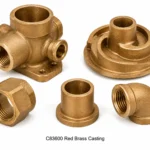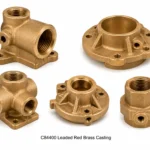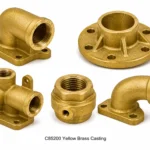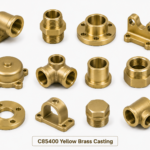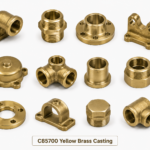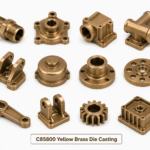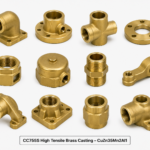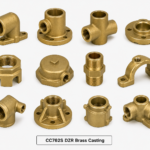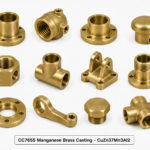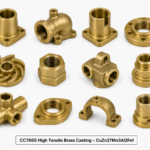


Product
Product Details
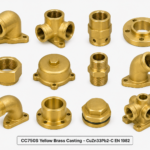
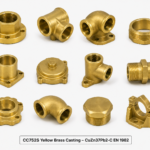
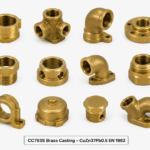
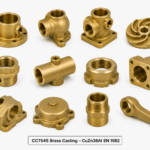
Brass DZR Casting and DZR Brass Machined Parts
Brass DZR Casting and DZR Brass Machined Parts

Dezincification-resistant (DZR) brass is a specially formulated copper-zinc alloy containing a small addition of arsenic (0.02–0.06%) that inhibits the selective leaching of zinc from the brass matrix in potable water, mildly acidic, and chlorinated environments. Electrical Accessories India manufactures DZR brass castings and CNC-machined parts for electrical OEMs, EPC contractors, plumbing system builders, HVAC manufacturers, gas valve manufacturers, water meter producers, and industrial distributors. Our DZR brass components meet WRAS approval requirements, BS EN 12165 / EN 12164, IS 319, and all major international dezincification-resistance test standards (ISO 6509), making them the specified material wherever standard brass would fail through dezincification in aggressive water or gas service conditions.
Product Overview
Understanding Dezincification and Why DZR Brass is Required
Dezincification is a form of selective corrosion where zinc is preferentially leached from the copper-zinc matrix of standard brass, leaving behind a porous, sponge-like copper plug that has negligible mechanical strength. This failure mechanism occurs primarily in soft, slightly acidic, or high-chlorine water at temperatures above 40°C, and in stagnant conditions. Standard brass (CuZn40, CuZn39Pb3, CW614N) is highly susceptible. The consequences are catastrophic in pressurized systems: dezincified fittings fail silently, causing flooding in plumbing installations, gas leaks in meter bodies, and dielectric failures in cable gland bodies. DZR brass alloys inhibit this mechanism through the arsenic addition and an optimized alpha-phase microstructure (alpha-beta ratio controlled during casting), providing a design life of 30+ years in water service where standard brass would fail in 2–5 years.
Alloy Design and Arsenic Inhibitor Mechanism
The dezincification resistance of DZR brass is achieved by maintaining the copper content above 60% (alpha-phase dominant microstructure) and adding 0.02–0.06% arsenic as a corrosion inhibitor. Arsenic is absorbed preferentially at zinc dissolution sites on the alloy surface, physically blocking the electrochemical pathway for zinc extraction. The alpha-phase microstructure is thermodynamically more stable than the beta phase present in standard 60:40 brass, further reducing the driving force for dezincification. Electrical Accessories India controls the arsenic addition to ±0.01% precision via spectrometric analysis, with internal acceptance limits more stringent than the standard requirement. Additionally, a controlled lead content (typically 1.5–2.5%) maintains excellent machinability without compromising dezincification resistance.
Casting Production Methods
Electrical Accessories India produces DZR brass castings through gravity die casting (permanent mould casting), sand casting, and pressure die casting depending on component geometry, production volume, and dimensional requirements. Gravity die casting is the most common process for DZR valve bodies, manifold bodies, meter housings, and cable gland bodies – it produces dense, low-porosity castings with consistent mechanical properties and wall thicknesses down to 3 mm. Sand casting handles complex geometries and larger components. Investment casting (lost-wax) is used for components requiring dimensional accuracy better than CT6, particularly small connector bodies and precision fittings. All casting processes use foundry-grade, controlled-composition DZR brass ingots verified for arsenic content before melting.
CNC Precision Machining of DZR Brass
DZR brass has excellent machinability due to the controlled lead content (machinability rating 70–80% relative to free-cutting brass at 100%). Electrical Accessories India operates CNC turning centres (up to 300 mm turning diameter), CNC machining centres, multi-spindle automatics, and Swiss-type CNC lathes for high-volume small-diameter DZR brass parts. Surface finishes down to Ra 0.4 µm are achievable for sealing surfaces. Tolerances of H7/h6 on mating bores and shafts are standard production capability. DZR brass machined parts include: valve stems, ball valve bodies, gate valve bodies, compression fitting bodies, cable gland bodies, compression lugs, terminal pins, meter bodies, manifold blocks, threaded fittings, and precision turned parts to drawing. Bar-to-part machining from BS EN 12164 (CW602N) DZR brass bar is available for short runs.
Surface Finishing and Protective Treatments
Standard DZR brass castings are supplied in as-cast and shot-blasted condition, or machined-and-degreased for assembly. Electrical Accessories India also offers: bright nickel plating (5–25 µm) for decorative and oxidation resistance applications; electroless nickel plating (25–75 µm, ASTM B733) for uniform coating on complex geometries; chrome plating (decorative and hard chrome); tin plating (5–15 µm) for solderability and low-contact-resistance electrical applications; passivation (citric acid, per ASTM A967) to remove free iron and enhance corrosion resistance; and lacquering for outdoor atmospheric protection. For potable water contact applications, NSF 61-approved coatings and Wras-approved base material only are used.
Electrical Applications of DZR Brass
In electrical engineering, DZR brass is specified for cable gland bodies, cable gland locknuts and backplates, compression lug bodies, earthing clamp bodies, bus duct fittings, terminal block bodies, and conduit fittings in environments exposed to moisture or condensation – particularly coastal, offshore, food processing, pharmaceutical, and water treatment plant electrical installations where dezincification resistance combined with electrical conductivity (26–28% IACS) is essential. Cable glands manufactured from DZR brass (CW602N) comply with WRAS requirements where penetrating into water containment areas, and with IP ratings up to IP68 when fitted with appropriate sealing elements. All electrical DZR brass components from Electrical Accessories India are RoHS and REACH compliant.
Comparison with Standard Brass and Alternative Materials
Standard leaded brass (CW614N / CuZn39Pb3) offers superior machinability but fails by dezincification in aggressive water and gas service. Gunmetal (LG2 / CC491K) provides better corrosion resistance but is heavier (density 8.9 vs 8.5 g/cm³), more expensive, and has lower machinability. Stainless steel (316L) provides superior corrosion resistance but requires specialized tooling and is significantly more expensive. DZR brass occupies the optimal engineering position: substantially better dezincification resistance than standard brass, at equivalent cost and with excellent machinability, while remaining lighter than gunmetal. For severely corrosive conditions (seawater, saline, acid), aluminum bronze or cupronickel is recommended instead of DZR brass.
Key Features
- Dezincification resistance verified per ISO 6509 – plug-type dezincification depth <200 µm
- Arsenic inhibitor content 0.02–0.06% – controlled to ±0.01% by spectrometric analysis
- WRAS approved base material – suitable for potable water contact
- Machinability 70–80% (relative to free-cutting brass = 100%) – excellent CNC productivity
- Available in casting and bar/rod form to BS EN 12165 / EN 12164
- Compliant with IS 319, BS 2872, DIN 50930-6, ASTM B62 equivalents
- Electrical conductivity 26–28% IACS – suitable for cable glands and terminals
- Operating temperature: –40°C to +200°C (dry service up to 250°C)
- RoHS 3 and REACH compliant
- Full traceability: EN 10204 3.1 Mill certificates, ISO 6509 dezincification test certificates
Material Grades and International Equivalents
| Grade/Designation | India (IS) | UK (BS EN) | Germany (DIN/EN) | Europe (EN) | UNS (USA) | ISO | Cu% | Pb% | As% | Form |
|---|---|---|---|---|---|---|---|---|---|---|
| DZR Brass (Standard) | IS 319 Gr.1 (DZR) | BS EN 12165 CW602N | DIN EN 12165 CuZn36Pb2As | EN CW602N | C35330 | ISO CuZn36Pb2As | 63–65 | 1.5–2.5 | 0.02–0.06 | Casting / Bar |
| DZR Brass (Low Lead) | — | BS EN 12165 CW625N | EN CuZn35Pb1As | EN CW625N | — | ISO CuZn35Pb1As | 64–66 | 0.8–1.5 | 0.02–0.06 | Bar / Extrusion |
| DZR Brass (Casting) | IS 318 DZR Equiv. | BS EN 1982 CC762S | EN CuZn35Pb2Al-C | EN CC762S | C85800 | — | 61–63 | 1.5–2.5 | 0.02–0.06 | Sand/Die Casting |
| Naval Brass DZR | — | BS 2872 CZ112 (DZR) | DIN CuZn38Sn1As | EN CW712R | C46400 | ISO CuZn38Sn1As | 59–62 | <0.3 | 0.02–0.06 | Bar / Forging |
| High Tensile DZR Brass | — | — | CuZn37Mn3Al2PbSiAs | EN CW713R | — | — | 56–60 | <0.5 | 0.02–0.06 | Bar / Forging |
| DZR Casting Alloy | IS 319 Gr.2 | BS EN 1982 CC761S | EN CuZn33Pb2-C | EN CC761S | C84400 | ISO CuZn33Pb2-C | 64–68 | 1.0–2.0 | 0.02–0.06 | Die/Sand Casting |
Technical Specifications
| Property | CW602N (Wrought Bar) | CC762S (Die Cast) | CC761S (Sand Cast) | CW712R (Naval Brass DZR) |
|---|---|---|---|---|
| Density (g/cm³) | 8.5 | 8.5 | 8.5 | 8.5 |
| Tensile Strength (MPa) | 360–460 | 280–380 | 250–320 | 400–530 |
| 0.2% Yield Strength (MPa) | 150–250 | 120–180 | 100–150 | 200–300 |
| Elongation (%) | 25–35 | 15–25 | 20–30 | 20–30 |
| Hardness (HB) | 80–130 | 60–100 | 55–90 | 100–150 |
| Electrical Conductivity (%IACS) | 26–28 | 25–27 | 25–27 | 24–26 |
| Thermal Conductivity (W/m·K) | 115 | 110 | 110 | 109 |
| Max. Service Temp. (°C) | 200 | 180 | 180 | 200 |
| DZR Test (ISO 6509) Plug Depth | <200 µm | <200 µm | <200 µm | <200 µm |
| Machinability Rating (%) | 70–80 | 60–70 | 55–65 | 50–60 |
Product Types and Variants
- DZR Brass Sand Castings – Valve bodies, manifold bodies, pump covers, weight range 0.1–50 kg
- DZR Brass Gravity Die Castings – High repeatability, minimal porosity, for fittings and housings
- DZR Brass Pressure Die Castings – Thin-wall precision components, high volume
- DZR Brass CNC Turned Parts – From bar stock (CW602N), tolerances to ±0.01 mm
- DZR Brass CNC Milled/Machined Parts – Complex prismatic components to drawing
- DZR Brass Forged and Machined Parts – For high-pressure valve and fitting applications
- DZR Brass Cable Gland Bodies – Certified to IP66/IP67/IP68, ATEX Zone 1 & 2 available
Applications in Industry
- Plumbing & Water Systems: Compression fittings, ball valve bodies, gate valve bodies, meter housings, manifold bodies, water service fittings – all WRAS compliant
- Electrical & Power: Cable gland bodies and accessories, conduit fittings, terminal block bodies, earthing clamps, compression cable lugs
- Gas Distribution: Gas valve bodies, meter bodies, gas fitting bodies – compliant with British Gas (BG) and IGE/UP/2 requirements
- HVAC & Refrigeration: Valve bodies, pressure regulators, fitting bodies for refrigerant and chilled water circuits
- Marine: Fittings and valves for fresh water systems aboard vessels (not for seawater primary service)
- Construction: DZR brass fittings for underfloor heating, radiator valves, pressure-reducing valve bodies
Manufacturing Process
1. Ingot Procurement: Controlled-composition DZR brass ingots (CuZn36Pb2As) verified by incoming spectrometric analysis for As content (critical inhibitor element).
2. Melting: Channel induction or coreless induction furnace melting. Temperature controlled at 950–1050°C. Arsenic loss monitored and corrected.
3. Die/Mould Filling: For gravity die: metal poured at controlled rate into permanent steel dies pre-heated to 200–250°C. For sand casting: furan resin-bonded moulds. For pressure die: shot sleeve injection at 30–80 m/s tip speed.
4. Fettling: Gates, runners, and flash removed by sawing and grinding.
5. Shot Blasting: Surface cleaning to Sa 2.5 standard.
6. Machining: CNC turning, milling, drilling, tapping to drawing. Gauged 100% for critical features.
7. Surface Finishing: Nickel plating, tin plating, passivation, or as-machined per specification.
8. Dezincification Testing: Sample testing per ISO 6509 from each heat.
9. Final Inspection: Dimensional, visual, and pressure test (hydrostatic) where applicable.
Quality Standards and Certifications
- BS EN 12165 – Wrought and unwrought copper and copper alloys (CW602N DZR Brass Bar)
- BS EN 1982 – Copper and copper alloys: ingots and castings (CC762S, CC761S)
- IS 319 – Indian Standard for wrought copper-zinc alloys (DZR grades)
- ISO 6509 – Dezincification test for copper alloys (plug depth <200 µm)
- WRAS (Water Regulations Advisory Scheme) – UK potable water approval
- DIN 50930-6 – German dezincification resistance standard
- RoHS 3 Directive 2015/863/EU compliant
- NSF/ANSI 61 – Drinking water system components (where applicable)
- ISO 9001:2015 Quality Management System
- ATEX / IECEx certification for cable gland variants
Why Choose Electrical Accessories India
- Verified DZR Material: Every heat tested per ISO 6509. Dezincification certificates supplied as standard
- Complete Supply: Castings, bar-machined parts, and forged-machined parts from one supplier
- WRAS-Grade Ingots: Only WRAS-approved, controlled-composition DZR ingots used
- Electrical Sector Expertise: DZR cable gland bodies compliant with BS EN 50262, IP66/IP68
- Export Capability: Supply to UK, Europe, Australia, UAE, South Africa, Singapore with full documentation
- Custom Machining: From prototype (1 piece) to high volume (100,000+ pieces/month)
- Rapid Quotation: Respond to RFQs within 24 hours with DFM feedback
Frequently Asked Questions (FAQ)
Q1: What is the difference between standard brass and DZR brass?
Standard brass (e.g., CW614N / CuZn39Pb3) contains 38–40% zinc and fails by dezincification in aggressive water, especially soft, slightly acidic, or chlorinated water above 40°C. DZR brass (CW602N / CuZn36Pb2As) contains a small arsenic addition (0.02–0.06%) that inhibits zinc dissolution. DZR brass is required by UK Water Supply Regulations and many European plumbing codes for potable water fittings.
Q2: How is DZR resistance tested?
Per ISO 6509 (formerly BS 2872 Annex B / DIN 50930-6): a sample is immersed in 1% CuCl₂ solution at 75°C for 24 hours. A cross-section metallographic examination measures the maximum dezincification plug depth. For DZR classification, the maximum plug depth must not exceed 200 µm. Electrical Accessories India tests every production heat and supplies the ISO 6509 test certificate with each order.
Q3: Is DZR brass suitable for gas service?
Yes. DZR brass (CW602N and related grades) is widely used for natural gas and LPG meter bodies, valve bodies, and pressure regulator bodies in the UK (IGEM/UP/2), Europe (EN 331), and Australia (AS 4617). The material does not form brittle reaction products with natural gas hydrocarbons and is approved by major gas utilities.
Q4: What is the maximum operating pressure for DZR brass castings?
For standard compression fittings: PN25 (25 bar). For valve bodies: PN16–PN25. For high-pressure forgings: PN40+. Actual pressure ratings depend on wall thickness, geometry, and temperature. Hydrostatic pressure testing to 1.5× working pressure is available on request.
Q5: Can you supply DZR brass cable glands to ATEX specification?
Yes. Electrical Accessories India supplies DZR brass cable glands certified to ATEX Directive 2014/34/EU and IECEx, Group II, Category 2G/2D, for installation in Zone 1 and Zone 2 hazardous areas. These are tested and certified for IP66 and IP68 ingress protection.
Q6: What is the minimum order quantity for CNC machined DZR brass parts?
No minimum order quantity for prototype and sample orders. For production runs, MOQ varies by part complexity: simple turned parts from 50 pieces, complex machined housings from 10 pieces. High-volume production (10,000+ pieces/month) receives quantity pricing.
Q7: Do you supply DZR brass in bar/rod form as well as castings?
Yes. We supply DZR brass bar and rod to BS EN 12164 (CW602N) in diameters from 6 mm to 150 mm for customer machining, as well as fully machined-to-drawing parts from bar stock. We can also provide bar-cut blanks (cut to length) for customer machine shops.
Q8: Are your DZR brass parts compliant with UK WRAS requirements?
The base DZR brass alloy (CW602N) meets the material composition requirements under WRAS. For WRAS product approval of specific fittings for potable water contact, the assembled product (with seals and coatings) must undergo WRAS product testing. We can advise on the WRAS approval process and supply material with full dezincification certificates.
Q9: What documentation is provided with DZR brass orders?
Standard documentation: Chemical Analysis Certificate with As content verification, ISO 6509 Dezincification Test Certificate, Dimensional Inspection Report, EN 10204 2.2 or 3.1 Mill Certificate. Additional: REACH/RoHS declaration, pressure test certificate, and third-party inspection reports as required.
Q10: How does DZR brass compare to stainless steel for valve bodies?
DZR brass is preferred for potable water and gas fittings in standard service due to: significantly better machinability (lower manufacturing cost), adequate corrosion resistance for most water service environments, lower material cost, and compatibility with standard compression fitting sealing systems. Stainless steel is preferred for aggressive chemical environments, high-temperature steam service, and applications requiring lead-free materials where DZR’s lead content (1.5–2.5%) is prohibited.
Equivalent Terms – Multilingual Reference
| Language | Term 1 | Term 2 | Term 3 |
|---|---|---|---|
| Spanish | Latón resistente a la dezincificación | Fundición de latón DZR | Piezas mecanizadas de latón DZR |
| Russian | Латунь стойкая к обесцинкованию | Литье DZR латуни | Обработанные детали из DZR латуни |
| French | Laiton résistant à la dézincification | Fonderie laiton DZR | Pièces usinées en laiton DZR |
| Portuguese | Latão resistente à dezincificação | Fundição de latão DZR | Peças usinadas em latão DZR |
| Italian | Ottone resistente alla dezincificazione | Fusione in ottone DZR | Parti lavorate in ottone DZR |
Related Products and Linked Terms
- Aluminum Bronze Casting
- Phosphor Bronze Casting and Phosphor Bronze Machined Parts
- Brass Terminal Blocks
- Bronze Ground Rod Clamps
- Bronze Copper Grounding Clamps
- Brass BW Cable Glands
- Brass CW Cable Glands
Request a Quote
Send your drawing (PDF/DXF/STEP), material specification, quantity, and delivery requirement to Electrical Accessories India. Our engineering team reviews DFM, advises on casting method vs. bar machining economics, and provides a detailed technical and commercial proposal within 24 hours. We export DZR brass castings and machined parts to 30+ countries with full ISO 6509 dezincification certification, WRAS material compliance documentation, and EN 10204 3.1 Mill certificates.
Contact us today to discuss your DZR brass casting and machined parts requirements.
Indicative Pricing
Brass Items: US$ 11.50 per kilogram, CIF US Port
Prices are indicative and subject to change based on quantity, specification, alloy grade, and market conditions. Contact us with your RFQ for a firm quotation.