

Product
Product Details
Stainless Steel Lock Nuts
Stainless Steel Lock Nuts for Cable Glands
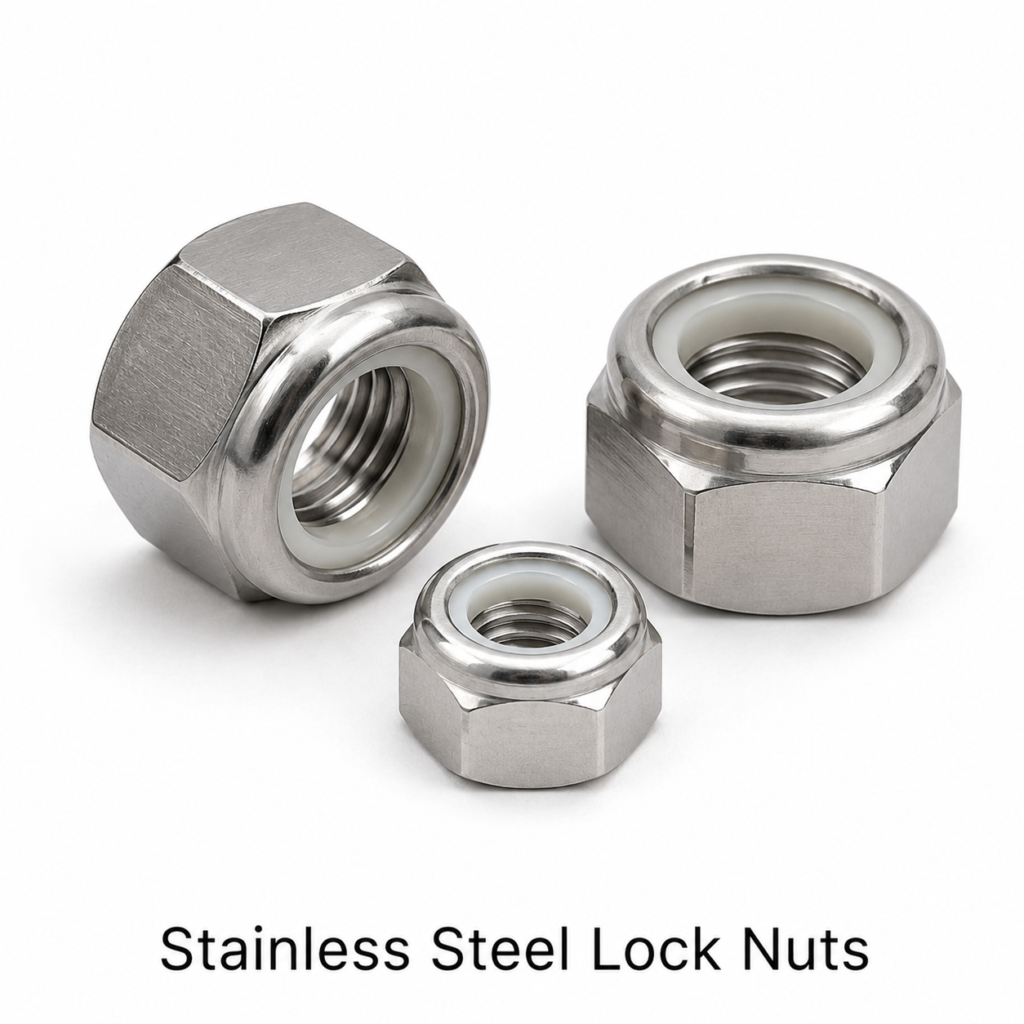
Stainless steel lock nuts for cable glands are precision-machined threaded fasteners used to secure cable glands to electrical enclosures, junction boxes, control panels, and switchgear in environments where standard brass lock nuts are unsuitable due to high corrosion risk, aggressive chemical exposure, or stringent hygiene requirements. Manufactured by Electrical Accessories India at our Jamnagar facility, these lock nuts are available in austenitic stainless steel grades SS 304 (1.4301), SS 316 (1.4401), and SS 316L (1.4404), covering metric thread sizes M16 to M90 (1.5 mm pitch) and NPT thread sizes from 1/4″ to 2″. They are the preferred choice for offshore, marine, chemical processing, pharmaceutical, food & beverage, and water treatment applications.
Price: US$ 11.90 per kilogram (Ex-works Jamnagar, India). Volume pricing and project rates available — contact sales@elecaccs.com.
Product Overview
What Are Stainless Steel Cable Gland Lock Nuts?
A stainless steel lock nut (also known as an SS gland nut, stainless conduit locknut, stainless jam nut, or stainless cable entry nut) is a thin-profile internally threaded ring that mates with the external thread of a stainless steel or brass cable gland body. When tightened against the enclosure panel wall, it clamps the gland firmly in position, preventing rotation, maintaining IP sealing integrity, and ensuring continuous electrical earthing continuity. Stainless steel lock nuts are specified for installations where brass or zinc-plated steel lock nuts would suffer accelerated corrosion, dezincification, or galvanic attack. Related components include: SS cable gland bodies, stainless earth tags, PVC shrouds, SS thread reducers, SS stopping plugs, and SS conduit locknuts.
Material Grades: SS 304, SS 316, SS 316L
Three austenitic stainless steel grades are available, each with distinct corrosion resistance characteristics. SS 304 (UNS S30400, EN 1.4301) is the standard grade, containing 18% chromium and 8% nickel, suitable for most industrial and outdoor applications where chloride levels are low to moderate. SS 316 (UNS S31600, EN 1.4401) adds 2–3% molybdenum, providing superior resistance to chloride-induced pitting and crevice corrosion, making it the standard specification for marine, offshore, and chemical plant applications. SS 316L (EN 1.4404) is the low-carbon variant of SS 316, preferred for welded assemblies and environments where sensitisation during heat exposure is a concern. All grades meet ASTM A276, ASTM A484, EN 10088, and BS 970 requirements.
Thread Standards and Dimensional Range
Stainless steel cable gland lock nuts are produced in metric threads conforming to ISO 965-1, covering M16×1.5, M20×1.5, M25×1.5, M32×1.5, M40×1.5, M50×1.5, M63×1.5, M75×1.5, and M90×1.5 — all with 1.5 mm pitch per DIN 46320 cable gland thread standard. NPT (National Pipe Taper) thread sizes per ANSI/ASME B1.20.1 cover 1/4″, 3/8″, 1/2″, 3/4″, 1″, 1-1/4″, 1-1/2″, and 2″. All threads are cut to class 6H tolerance and 100% gauged using calibrated plug gauges traceable to national standards.
Surface Finishes and Passivation
Standard supply condition is as-machined with tumble polishing (2B-equivalent finish, Ra ≤ 1.6 µm). All stainless steel lock nuts undergo passivation treatment per ASTM A967 (nitric acid or citric acid passivation) to remove free iron from the machined surface and restore the passive chromium oxide layer. This is critical for achieving maximum corrosion resistance in chloride-containing environments. Optional finishes include: electro-polishing (for pharmaceutical and ultra-clean applications), mirror polishing (for hygienic or decorative use), and black oxide (for low-reflectivity panel installations).
Corrosion Resistance vs. Brass Lock Nuts
The principal advantage of stainless steel lock nuts over brass alternatives is their superior resistance to chloride-induced corrosion (pitting and crevice corrosion), galvanic attack in mixed-metal installations, and resistance to a wider range of chemical media including dilute acids, oxidising chemicals, bleach, and cleaning agents. SS 316 lock nuts are rated to Class C5-M (very high marine and offshore corrosivity) per ISO 9223 without additional coating, compared to C3–C4 for standard brass. This makes SS 316 the default specification for coastal substations, offshore platforms, wastewater treatment plants, chemical reactor buildings, and desalination facilities.
Mechanical Properties and Hardness
Austenitic stainless steel grades SS 304 and SS 316 provide tensile strength of 515–620 MPa, yield strength of 205–310 MPa, and Brinell hardness of 147–187 HB in the annealed condition. These values are significantly higher than free-machining brass (tensile strength 340–490 MPa), providing greater resistance to over-torque damage, thread stripping, and mechanical impact during installation and maintenance. The work-hardening characteristic of austenitic stainless also means that lock nuts in high-torque applications (M63–M90) develop additional surface hardness at thread contact points, improving resistance to thread galling.
Anti-Galling and Thread Lubrication
Austenitic stainless steel is susceptible to galling (cold welding of threads) when tightened dry against another stainless steel surface. To prevent this, all SS lock nuts supplied for use with SS cable glands are recommended to be installed with an appropriate anti-galling thread lubricant such as molybdenum disulphide (MoS₂) paste, nickel-based anti-seize compound, or PTFE tape. For repeated assembly/disassembly applications, nickel-plated or PTFE-coated SS lock nuts are available to further reduce galling risk.
Key Features
- Grades: SS 304 (1.4301), SS 316 (1.4401), SS 316L (1.4404)
- Full metric M16–M90 (1.5 mm pitch) and NPT 1/4″–2″ range
- Superior pitting and crevice corrosion resistance — rated C5-M (marine) without coating
- Passivated per ASTM A967 for maximum corrosion resistance
- 100% thread gauging to ISO 965-1 class 6H
- EN 10204 3.1 material certification on request
- ATEX/IECEx compatible; suitable for Zone 1, Zone 2 installations
- Non-magnetic options available (fully annealed SS 316L)
Thread Accuracy and Dimensional Control
Stainless steel lock nuts are machined on CNC automatic lathes with carbide tooling optimised for stainless cutting to achieve thread tolerances per ISO 965-1 class 6H. Because stainless steel work-hardens rapidly during machining, careful control of cutting speeds, feeds, and coolant application is required to maintain thread accuracy and prevent built-up edge. Thread pitch diameter, major diameter, and minor diameter are verified by 100% Go/No-Go gauging. Flatness of bearing faces is held within 0.05 mm. Dimensional records are maintained per ISO 9001:2015 quality management requirements.
Electrical Earthing and Bonding Performance
Stainless steel lock nuts provide electrical continuity between the cable gland and the enclosure for protective earth (PE) bonding, as required by IEC 60079-14 for hazardous area installations and IEC 61439-1 for low-voltage switchgear assemblies. Contact resistance across the SS lock nut interface is typically <0.5 mΩ, meeting earthing continuity requirements. For installations requiring enhanced earthing, stainless earth tags can be installed under the lock nut — consult our technical team for compatible earth tag specifications. For brass earth tags, see our Earth Tags Brass page.
ATEX Hazardous Area Compliance
Stainless steel lock nuts are non-sparking, non-magnetic (fully annealed SS 316L), and suitable for use in ATEX Zone 1 and Zone 2 (Group IIA, IIB, IIC) hazardous locations. They are certified compatible with Ex d, Ex e, and Ex n certified cable glands per IEC 60079 series. Installation must comply with IEC 60079-14, including specified torque values, correct thread engagement, and earth bonding continuity checks. SS lock nuts are preferred over brass in hydrogen-rich (Group IIC) ATEX applications where additional corrosion resistance is required.
High-Temperature Applications
SS 304 and SS 316 lock nuts are rated for continuous service temperatures up to +300°C, significantly exceeding the performance of brass lock nuts (+105°C maximum). This makes stainless steel the correct specification for cable entries on furnace panel boards, steam boiler installations, exhaust system enclosures, heat exchanger controls, and chemical reactor panels. At elevated temperatures, the austenitic structure remains stable and does not suffer the dezincification or stress corrosion cracking risks associated with brass.
Marine and Offshore Applications
SS 316 lock nuts are the standard specification for marine electrical installations per IEC 60092-352 (shipboard electrical cables) and offshore platform standards including DEP (Shell), BP GIS, and Woodside specifications. In seawater splash zones and marine atmospheres, SS 316 outperforms all brass and standard steel alternatives, with no measurable corrosion after 5+ years in C5-M environments. SS 316 is also specified by classification societies including Lloyd’s Register, DNV GL, Bureau Veritas, and ABS for marine-grade electrical equipment.
Food, Pharmaceutical, and Hygienic Applications
Electro-polished SS 316 lock nuts are specified for food processing plant wiring, pharmaceutical clean rooms, and biotechnology facilities where surface smoothness (Ra ≤ 0.8 µm) prevents bacterial harbourage and allows CIP/SIP (Clean-in-Place/Steam-in-Place) cleaning. These applications require SS 316 or SS 316L to resist the aggressive cleaning chemicals (acids, caustics, chlorinated sanitisers) used in food and pharmaceutical manufacturing. Certification to FDA 21 CFR 177.1520 (food contact compliance) is available on request.
Technical Specifications
| Parameter | Specification |
|---|---|
| Material Grades | SS 304 (1.4301), SS 316 (1.4401), SS 316L (1.4404) |
| Thread – Metric | M16 to M90, Pitch 1.5 mm, ISO 965-1, Class 6H |
| Thread – NPT | 1/4″ to 2″, ANSI/ASME B1.20.1 |
| Surface Finish (standard) | As-machined, passivated (ASTM A967), Ra ≤ 1.6 µm |
| Surface Finish (optional) | Electro-polished (Ra ≤ 0.8 µm), Mirror polished, Black oxide |
| Tensile Strength | 515–620 MPa (SS 304/316) |
| Yield Strength | 205–310 MPa (SS 304/316) |
| Hardness | 147–187 HB (Brinell, annealed) |
| Temperature Range | -196°C to +300°C (SS 304/316) |
| Corrosion Resistance | Class C5-M (marine) per ISO 9223; 500+ hrs salt spray |
| IP Rating Support | IP54 to IP68 (system-level, depends on gland assembly) |
| Magnetic Permeability | Slightly paramagnetic (SS 304/316); non-magnetic (fully annealed SS 316L) |
| Material Certification | EN 10204 3.1 available on request |
| Price | US$ 11.90 per kilogram (Ex-works Jamnagar) |
Metric Thread Size Reference Table – Stainless Steel Lock Nuts
| Metric Size | Pitch (mm) | A/F (mm) | Thickness (mm) | Compatible Gland Size |
|---|---|---|---|---|
| M16 | 1.5 | 22 | 5 | Ø8–14 mm cable |
| M20 | 1.5 | 27 | 6 | Ø10–17 mm cable |
| M25 | 1.5 | 32 | 7 | Ø13–21 mm cable |
| M32 | 1.5 | 41 | 8 | Ø18–28 mm cable |
| M40 | 1.5 | 50 | 9 | Ø25–35 mm cable |
| M50 | 1.5 | 60 | 10 | Ø32–44 mm cable |
| M63 | 1.5 | 75 | 11 | Ø42–57 mm cable |
| M75 | 1.5 | 90 | 12 | Ø53–68 mm cable |
| M90 | 1.5 | 105 | 13 | Ø62–82 mm cable |
Stainless Steel Grade Comparison Table
| Grade | EN No. | ASTM/UNS | Cr% | Ni% | Mo% | Best For |
|---|---|---|---|---|---|---|
| SS 304 | 1.4301 | S30400 | 18 | 8 | – | General industrial, mild outdoor |
| SS 316 | 1.4401 | S31600 | 17 | 10 | 2.0–2.5 | Marine, offshore, chemical plants |
| SS 316L | 1.4404 | S31603 | 17 | 10 | 2.0–2.5 | Welded assemblies, hygienic use |
| SS 904L | 1.4539 | N08904 | 20 | 25 | 4.5 | Highly aggressive chemical media |
| Duplex 2205 | 1.4462 | S32205 | 22 | 5 | 3.0 | High-strength, chloride resistance |
International Standard Equivalents
| Standard | SS 304 Grade | SS 316 Grade |
|---|---|---|
| European EN 10088 | 1.4301 | 1.4401 / 1.4404 |
| ASTM (USA) | S30400 / 304 | S31600 / 316 |
| BS (UK) | 304S11 | 316S11 |
| IS (India) | X10Cr18Ni8 | X5CrNiMo17-12-2 |
| DIN (Germany) | X5CrNi18-10 | X5CrNiMo17-12-2 |
| JIS (Japan) | SUS 304 | SUS 316 / 316L |
| GB (China) | 06Cr19Ni10 | 06Cr17Ni12Mo2 |
Product Types and Variants
| Variant | Description | Application |
|---|---|---|
| SS 304 Hex Lock Nut | Standard 6-sided, wrench-tightened | General industrial, mild environments |
| SS 316 Hex Lock Nut | Molybdenum-bearing, pitting resistant | Marine, offshore, chemical, coastal |
| SS 316L Hex Lock Nut | Low-carbon, weld-safe grade | Pharmaceutical, food, hygienic |
| SS 316 Knurled Lock Nut | Round profile, hand-tightened | Field maintenance, accessible locations |
| SS 316 Flanged Lock Nut | Integral flange + sealing washer | IP66/IP68 outdoor enclosures |
| Electro-Polished SS 316L | Ra ≤ 0.8 µm, hygienic finish | Food, pharma, biotech clean rooms |
| Duplex 2205 Lock Nut | High-strength duplex stainless | Aggressive chloride, subsea, desalination |
Applications in Industry
| Industry Sector | Typical Application |
|---|---|
| Oil & Gas (Offshore) | ATEX Zone 1 junction boxes, wellhead panels, subsea penetrators |
| Marine & Shipbuilding | Engine room panels, deck-mounted enclosures, navigation systems |
| Chemical & Petrochemical | Corrosive atmosphere junction boxes, reactor panels, acid-resistant wiring |
| Food & Beverage | Washdown-duty panels, CIP-compatible motor terminal boxes |
| Pharmaceutical | Clean room electrical entries, hygienic enclosures |
| Water & Wastewater | Submersible pump panels, chlorination plant wiring, outdoor kiosks |
| Power Generation | Coastal and offshore wind turbine nacelle wiring, hydro power |
| Desalination Plants | Seawater handling area electrical panels, pump control |
Manufacturing Process
Stainless steel lock nuts are manufactured using the following precision process at our Jamnagar facility:
- Raw Material: SS 304/316/316L bar stock sourced with EN 10204 3.1 mill certificates. Chemical composition verified by XRF spectrometer on incoming inspection.
- CNC Turning: Stainless bar is machined on CNC lathes with carbide inserts optimised for austenitic stainless. Low cutting speeds and high coolant flow prevent work-hardening and built-up edge.
- Thread Cutting: Internal threads are form-tapped or thread-milled. Thread gauging (Go/No-Go) performed on 100% of parts in-process.
- Hexagon Milling: A/F dimensions milled to drawing tolerance using multi-axis CNC machining centres.
- Deburring: Vibratory tumble deburring in ceramic media. Edge sharpness controlled to Ra ≤ 1.6 µm on seating faces.
- Passivation: All SS lock nuts passivated in citric acid or nitric acid bath per ASTM A967. Passivation verified by ASTM A380 copper sulphate test.
- Final Inspection: Dimensional inspection, thread gauging, hardness spot-checks (Rockwell B), and visual inspection per AQL 2.5. EN 10204 3.1 certificates issued on request.
Quality Standards and Certifications
| Standard / Certification | Applicability |
|---|---|
| ISO 9001:2015 | Quality Management System |
| ASTM A276 / A484 | Stainless steel bar stock specification |
| EN 10088 | European stainless steel material standard |
| ASTM A967 | Passivation of stainless steel parts |
| ISO 965-1 | Metric thread tolerance and gauging |
| ANSI/ASME B1.20.1 | NPT thread standard |
| IEC 62444 | Cable gland performance standard |
| IEC 60079-14 | Electrical installations in hazardous areas |
| EN 10204 3.1 | Material test certificates (on request) |
| IEC 60092-352 | Shipboard electrical cables – installation |
Why Choose Electrical Accessories India
- Three SS Grades In-House: SS 304, SS 316, SS 316L — full range from a single manufacturer
- Full Thread Range: M16–M90 metric and NPT 1/4″–2″ from one source
- ASTM A967 Passivation: Every batch passivated and verified for maximum corrosion resistance
- XRF Material Verification: Every lot of incoming stainless verified by XRF spectrometer
- Marine and Offshore Experience: Regular supply to DNV, Lloyd’s Register, and ABS-certified projects
- Fast Delivery: Common sizes ex-stock; special grades 4–6 weeks
- Competitive Pricing: US$ 11.90/kg — direct manufacturer, no intermediaries
- See Also: Brass Lock Nuts for standard industrial applications at US$ 14.50/kg
Frequently Asked Questions (FAQ)
Q1. When should I specify SS 316 instead of SS 304 lock nuts?
Specify SS 316 for marine, offshore, coastal, chemical, or food processing environments where chloride exposure, aggressive cleaning chemicals, or high humidity are present. SS 304 is sufficient for inland industrial environments with moderate corrosion risk.
Q2. Are stainless steel lock nuts compatible with brass cable glands?
Yes. SS lock nuts can be used with brass cable gland bodies. However, in submerged or high-humidity environments, check for galvanic compatibility — SS and brass form a galvanic couple that can accelerate brass corrosion. In such cases, specify all-SS gland assemblies or use a dielectric isolator.
Q3. What thread pitch are the metric stainless steel lock nuts?
All metric sizes use 1.5 mm pitch (fine thread), conforming to ISO 965-1 and DIN 46320, covering M16 through M90. This matches standard cable gland thread forms used worldwide.
Q4. How do I prevent galling when tightening SS lock nuts?
Apply an anti-seize compound (MoS₂, nickel-based, or PTFE-based) to the threads before assembly. Tighten to the specified torque value using a calibrated torque wrench. For repeated assembly, consider PTFE-coated SS lock nuts — contact us for availability.
Q5. Are EN 10204 3.1 mill certificates available?
Yes. EN 10204 3.1 certificates covering chemical composition and mechanical properties are provided on request at the time of order. These are required for most offshore, marine, and critical infrastructure projects.
Q6. Do you supply SS 316L lock nuts for pharmaceutical applications?
Yes. SS 316L lock nuts with electro-polished finish (Ra ≤ 0.8 µm) are available for pharmaceutical, food processing, and biotechnology clean room installations.
Q7. What is the temperature rating of SS 316 lock nuts?
SS 316 lock nuts are rated for continuous service from -196°C (cryogenic) to +300°C, making them suitable for high-temperature panel boards, steam installations, and LNG/cryogenic applications.
Q8. Can SS lock nuts be used in ATEX Zone 0?
ATEX Zone 0 cable entries require specifically certified Ex ia (intrinsically safe) or Ex d (flameproof) assemblies. The lock nut itself does not hold an individual ATEX certificate but is suitable for use with ATEX Zone 1 and Zone 2 certified cable glands per IEC 60079-14.
Q9. How do SS lock nuts compare to brass lock nuts on price?
Stainless steel lock nuts are priced at US$ 11.90/kg and brass lock nuts at US$ 14.50/kg. Since SS is less dense than brass, more pieces are obtained per kg — making SS lock nuts cost-competitive for many applications. Compare our Brass Lock Nuts for non-corrosive environments.
Q10. What is the minimum order quantity?
For standard metric sizes in SS 304/316, MOQ is typically 500 pieces. For SS 316L or special sizes/finishes, MOQ is 1,000 pieces. Project quantities below MOQ can be discussed case-by-case.
Equivalent Terms in Other Languages
| Language | Term 1 | Term 2 | Term 3 |
|---|---|---|---|
| Spanish | Tuerca de bloqueo acero inoxidable | Contratuerca inoxidable prensaestopas | Tuerca SS316 para glándula de cable |
| French | Écrou de blocage inox | Contre-écrou inoxydable presse-étoupe | Écrou SS316 pour entrée câble |
| Russian | Контргайка нержавеющая сталь | Гайка кабельного ввода нержавейка | Нержавеющая контргайка SS316 |
| Portuguese | Porca de travamento aço inoxidável | Contraporca inox prensa-cabo | Porca SS316 para glândula de cabo |
| Italian | Dado di bloccaggio acciaio inossidabile | Controdado inox pressacavo | Dado SS316 per pressacavo |
Related Products – Cable Glands Accessories
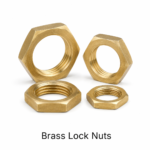
- Brass Lock Nuts – Standard metric M16–M90 and NPT brass lock nuts (US$ 14.50/kg)
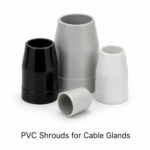
- PVC Shrouds for Cable Glands – Protective PVC covers for cable entries (US$ 16.80/kg)
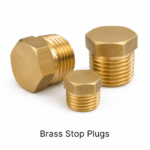
- Brass Stop Plugs – Sealing plugs for unused cable gland entries
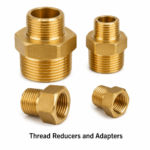
- Thread Reducers and Adapters – Metric and NPT thread conversion fittings
- Earth Tags Brass – Brass earthing tags for cable gland assemblies
Complete Thread Chart – Stainless Steel Lock Nuts for Cable Glands
The following thread charts cover all standard metric (ISO 965-1 / DIN 46320) and NPT (ANSI/ASME B1.20.1) thread sizes supplied for stainless steel cable gland lock nuts. All metric lock nuts use 1.5 mm pitch (fine thread) across the full M16–M90 range. Dimensions include across-flats (A/F), lock nut thickness, thread major diameter, pitch diameter, recommended installation torque, and compatible cable outer diameter range.
Metric Thread Chart – SS Lock Nuts (M16 to M90, Pitch 1.5 mm, ISO 965-1)
| Thread Size | Pitch (mm) | Thread Class | Major Dia. (mm) | Pitch Dia. (mm) | Minor Dia. (mm) | A/F Hex (mm) | Nut Thickness (mm) | Install Torque (N·m) | Cable OD Range (mm) |
|---|---|---|---|---|---|---|---|---|---|
| M16 × 1.5 | 1.5 | 6H | 16.000 | 15.026 | 14.376 | 22 | 5 | 8–12 | 4–10 |
| M20 × 1.5 | 1.5 | 6H | 20.000 | 19.026 | 18.376 | 27 | 6 | 12–18 | 6–14 |
| M25 × 1.5 | 1.5 | 6H | 25.000 | 24.026 | 23.376 | 32 | 7 | 18–25 | 9–17 |
| M32 × 1.5 | 1.5 | 6H | 32.000 | 31.026 | 30.376 | 41 | 8 | 28–38 | 13–22 |
| M40 × 1.5 | 1.5 | 6H | 40.000 | 39.026 | 38.376 | 50 | 9 | 40–55 | 19–30 |
| M50 × 1.5 | 1.5 | 6H | 50.000 | 49.026 | 48.376 | 60 | 10 | 55–75 | 28–38 |
| M63 × 1.5 | 1.5 | 6H | 63.000 | 62.026 | 61.376 | 75 | 11 | 75–100 | 36–50 |
| M75 × 1.5 | 1.5 | 6H | 75.000 | 74.026 | 73.376 | 90 | 12 | 100–115 | 48–62 |
| M90 × 1.5 | 1.5 | 6H | 90.000 | 89.026 | 88.376 | 105 | 13 | 115–130 | 60–76 |
NPT Thread Chart – SS Lock Nuts (ANSI/ASME B1.20.1)
| NPT Size | TPI | Pitch (mm) | Major Dia. (in) | Major Dia. (mm) | Pitch Dia. (mm) | A/F Hex (mm) | Nut Thickness (mm) | Install Torque (N·m) | Equiv. Metric Size |
|---|---|---|---|---|---|---|---|---|---|
| 1/4″ NPT | 18 | 1.411 | 0.540″ | 13.72 | 12.49 | 22 | 5 | 8–12 | ~M16 |
| 3/8″ NPT | 18 | 1.411 | 0.675″ | 17.15 | 15.93 | 27 | 6 | 12–18 | ~M20 |
| 1/2″ NPT | 14 | 1.814 | 0.840″ | 21.34 | 19.77 | 32 | 7 | 18–25 | ~M25 |
| 3/4″ NPT | 14 | 1.814 | 1.050″ | 26.67 | 25.12 | 41 | 8 | 28–38 | ~M32 |
| 1″ NPT | 11.5 | 2.209 | 1.315″ | 33.40 | 31.46 | 50 | 9 | 40–55 | ~M40 |
| 1-1/4″ NPT | 11.5 | 2.209 | 1.660″ | 42.16 | 40.22 | 60 | 10 | 55–75 | ~M50 |
| 1-1/2″ NPT | 11.5 | 2.209 | 1.900″ | 48.26 | 46.32 | 75 | 11 | 75–100 | ~M63 |
| 2″ NPT | 11.5 | 2.209 | 2.375″ | 60.33 | 58.39 | 90 | 12 | 100–115 | ~M75 |
Thread Tolerance Notes
| Parameter | Metric (ISO 965-1) | NPT (ANSI/ASME B1.20.1) |
|---|---|---|
| Thread Standard | ISO 965-1 / DIN 46320 | ANSI/ASME B1.20.1 |
| Tolerance Class (Internal) | 6H | N/A (taper thread) |
| Pitch Diameter Tolerance | ±0.060 mm (6H) | Per ASME B1.20.1 Table |
| Thread Form Angle | 60° | 60° |
| Thread Type | Parallel (fine pitch) | Tapered (1:16 taper) |
| Gauging Method | Go/No-Go Plug Gauge (ISO 1502) | L1 Ring Gauge (ASME B1.20.1) |
| Surface Finish – Thread Flanks | Ra ≤ 1.6 µm | Ra ≤ 1.6 µm |
| Material Standard | SS 304 (1.4301) / SS 316 (1.4401) / SS 316L (1.4404) | SS 304 / SS 316 / SS 316L |
| Passivation | ASTM A967 (citric or nitric acid) | ASTM A967 |
Installation Torque Guide – SS Lock Nuts
| Thread Size | Steel Enclosure Torque (N·m) | Aluminium Enclosure Torque (N·m) | GRP/Fibreglass Enclosure Torque (N·m) | Anti-Seize Lubricant Required? |
|---|---|---|---|---|
| M16 / 1/4″ NPT | 8–12 | 6–9 | 5–7 | Yes – MoS₂ or nickel paste |
| M20 / 3/8″ NPT | 12–18 | 9–14 | 7–10 | Yes |
| M25 / 1/2″ NPT | 18–25 | 14–19 | 10–14 | Yes |
| M32 / 3/4″ NPT | 28–38 | 21–28 | 15–20 | Yes |
| M40 / 1″ NPT | 40–55 | 30–41 | 22–30 | Yes |
| M50 / 1-1/4″ NPT | 55–75 | 41–56 | 30–40 | Yes |
| M63 / 1-1/2″ NPT | 75–100 | 56–75 | 40–55 | Yes |
| M75 / 2″ NPT | 100–115 | 75–86 | 55–65 | Yes |
| M90 | 115–130 | 86–98 | 65–75 | Yes |
Note: Anti-galling compound (MoS₂ paste, nickel-based anti-seize, or PTFE tape) must always be applied to SS lock nut threads before assembly to prevent galling (cold welding). Torque values are indicative — always refer to cable gland manufacturer’s installation instructions for final torque values.
Complete Thread Chart – Stainless Steel Lock Nuts for Cable Glands
The following thread charts cover all standard metric (ISO 965-1 / DIN 46320) and NPT (ANSI/ASME B1.20.1) thread sizes for stainless steel cable gland lock nuts. All metric sizes use 1.5 mm pitch (fine thread) across the full M16–M90 range. Dimensions include across-flats (A/F), nut thickness, major/pitch/minor diameter, recommended installation torque, and compatible cable outer diameter.
Metric Thread Chart – SS Lock Nuts (M16–M90, Pitch 1.5 mm, ISO 965-1 / DIN 46320)
| Thread Size | Pitch (mm) | Thread Class | Major Dia. (mm) | Pitch Dia. (mm) | Minor Dia. (mm) | A/F Hex (mm) | Nut Thickness (mm) | Torque – Steel (N·m) | Cable OD Range (mm) |
|---|---|---|---|---|---|---|---|---|---|
| M16 × 1.5 | 1.5 | 6H | 16.000 | 15.026 | 14.376 | 22 | 5 | 8–12 | 4–10 |
| M20 × 1.5 | 1.5 | 6H | 20.000 | 19.026 | 18.376 | 27 | 6 | 12–18 | 6–14 |
| M25 × 1.5 | 1.5 | 6H | 25.000 | 24.026 | 23.376 | 32 | 7 | 18–25 | 9–17 |
| M32 × 1.5 | 1.5 | 6H | 32.000 | 31.026 | 30.376 | 41 | 8 | 28–38 | 13–22 |
| M40 × 1.5 | 1.5 | 6H | 40.000 | 39.026 | 38.376 | 50 | 9 | 40–55 | 19–30 |
| M50 × 1.5 | 1.5 | 6H | 50.000 | 49.026 | 48.376 | 60 | 10 | 55–75 | 28–38 |
| M63 × 1.5 | 1.5 | 6H | 63.000 | 62.026 | 61.376 | 75 | 11 | 75–100 | 36–50 |
| M75 × 1.5 | 1.5 | 6H | 75.000 | 74.026 | 73.376 | 90 | 12 | 100–115 | 48–62 |
| M90 × 1.5 | 1.5 | 6H | 90.000 | 89.026 | 88.376 | 105 | 13 | 115–130 | 60–76 |
NPT Thread Chart – SS Lock Nuts (ANSI/ASME B1.20.1)
| NPT Size | TPI | Pitch (mm) | Major Dia. (in) | Major Dia. (mm) | Pitch Dia. (mm) | A/F Hex (mm) | Nut Thickness (mm) | Torque – Steel (N·m) | Equiv. Metric |
|---|---|---|---|---|---|---|---|---|---|
| 1/4″ NPT | 18 | 1.411 | 0.540″ | 13.72 | 12.49 | 22 | 5 | 8–12 | ~M16 |
| 3/8″ NPT | 18 | 1.411 | 0.675″ | 17.15 | 15.93 | 27 | 6 | 12–18 | ~M20 |
| 1/2″ NPT | 14 | 1.814 | 0.840″ | 21.34 | 19.77 | 32 | 7 | 18–25 | ~M25 |
| 3/4″ NPT | 14 | 1.814 | 1.050″ | 26.67 | 25.12 | 41 | 8 | 28–38 | ~M32 |
| 1″ NPT | 11.5 | 2.209 | 1.315″ | 33.40 | 31.46 | 50 | 9 | 40–55 | ~M40 |
| 1-1/4″ NPT | 11.5 | 2.209 | 1.660″ | 42.16 | 40.22 | 60 | 10 | 55–75 | ~M50 |
| 1-1/2″ NPT | 11.5 | 2.209 | 1.900″ | 48.26 | 46.32 | 75 | 11 | 75–100 | ~M63 |
| 2″ NPT | 11.5 | 2.209 | 2.375″ | 60.33 | 58.39 | 90 | 12 | 100–115 | ~M75 |
Thread Tolerance and Standards Reference
| Parameter | Metric (ISO 965-1) | NPT (ANSI/ASME B1.20.1) |
|---|---|---|
| Thread Standard | ISO 965-1 / DIN 46320 | ANSI/ASME B1.20.1 |
| Tolerance Class | 6H (internal) | N/A – tapered thread |
| Thread Form Angle | 60° | 60° |
| Thread Type | Parallel fine pitch | Tapered (1:16) |
| Gauging Method | Go/No-Go Plug Gauge (ISO 1502) | L1 Ring Gauge (ASME B1.20.1) |
| Surface Finish – Thread Flanks | Ra ≤ 1.6 µm | Ra ≤ 1.6 µm |
| Material | SS 304 (1.4301) / SS 316 (1.4401) / SS 316L (1.4404) | SS 304 / SS 316 / SS 316L |
| Passivation | ASTM A967 – citric or nitric acid | ASTM A967 |
| 100% Thread Gauging | Yes – every piece | Yes – every piece |
Installation Torque Guide by Enclosure Material – SS Lock Nuts
| Thread Size | Steel Enclosure (N·m) | Aluminium Enclosure (N·m) | GRP/Fibreglass (N·m) | Anti-Seize Required? |
|---|---|---|---|---|
| M16 / 1/4″ NPT | 8–12 | 6–9 | 5–7 | Yes – MoS₂ or nickel paste |
| M20 / 3/8″ NPT | 12–18 | 9–14 | 7–10 | Yes |
| M25 / 1/2″ NPT | 18–25 | 14–19 | 10–14 | Yes |
| M32 / 3/4″ NPT | 28–38 | 21–28 | 15–20 | Yes |
| M40 / 1″ NPT | 40–55 | 30–41 | 22–30 | Yes |
| M50 / 1-1/4″ NPT | 55–75 | 41–56 | 30–40 | Yes |
| M63 / 1-1/2″ NPT | 75–100 | 56–75 | 40–55 | Yes |
| M75 / 2″ NPT | 100–115 | 75–86 | 55–65 | Yes |
| M90 | 115–130 | 86–98 | 65–75 | Yes |
Important: Anti-galling compound (MoS₂ paste, nickel-based anti-seize, or PTFE tape) must always be applied to SS lock nut threads before assembly to prevent galling (cold welding of austenitic stainless threads). Always refer to the cable gland manufacturer’s installation instructions for final torque specification.
Complete Thread Chart – Stainless Steel Lock Nuts for Cable Glands
The following tables cover all standard metric (ISO 965-1 / DIN 46320) and NPT (ANSI/ASME B1.20.1) thread sizes for SS cable gland lock nuts. All metric sizes use 1.5 mm pitch across M16–M90. Data includes A/F, nut thickness, major/pitch/minor diameters, installation torque, and cable OD range.
Metric Thread Chart – SS Lock Nuts (M16–M90, Pitch 1.5 mm)
| Thread Size | Pitch (mm) | Class | Major Dia (mm) | Pitch Dia (mm) | Minor Dia (mm) | A/F Hex (mm) | Thickness (mm) | Torque-Steel (N·m) | Cable OD (mm) |
|---|---|---|---|---|---|---|---|---|---|
| M16×1.5 | 1.5 | 6H | 16.000 | 15.026 | 14.376 | 22 | 5 | 8–12 | 4–10 |
| M20×1.5 | 1.5 | 6H | 20.000 | 19.026 | 18.376 | 27 | 6 | 12–18 | 6–14 |
| M25×1.5 | 1.5 | 6H | 25.000 | 24.026 | 23.376 | 32 | 7 | 18–25 | 9–17 |
| M32×1.5 | 1.5 | 6H | 32.000 | 31.026 | 30.376 | 41 | 8 | 28–38 | 13–22 |
| M40×1.5 | 1.5 | 6H | 40.000 | 39.026 | 38.376 | 50 | 9 | 40–55 | 19–30 |
| M50×1.5 | 1.5 | 6H | 50.000 | 49.026 | 48.376 | 60 | 10 | 55–75 | 28–38 |
| M63×1.5 | 1.5 | 6H | 63.000 | 62.026 | 61.376 | 75 | 11 | 75–100 | 36–50 |
| M75×1.5 | 1.5 | 6H | 75.000 | 74.026 | 73.376 | 90 | 12 | 100–115 | 48–62 |
| M90×1.5 | 1.5 | 6H | 90.000 | 89.026 | 88.376 | 105 | 13 | 115–130 | 60–76 |
NPT Thread Chart – SS Lock Nuts (ANSI/ASME B1.20.1)
| NPT Size | TPI | Pitch (mm) | Major Dia (in) | Major Dia (mm) | Pitch Dia (mm) | A/F Hex (mm) | Thickness (mm) | Torque-Steel (N·m) | Equiv. Metric |
|---|---|---|---|---|---|---|---|---|---|
| 1/4″ NPT | 18 | 1.411 | 0.540″ | 13.72 | 12.49 | 22 | 5 | 8–12 | ~M16 |
| 3/8″ NPT | 18 | 1.411 | 0.675″ | 17.15 | 15.93 | 27 | 6 | 12–18 | ~M20 |
| 1/2″ NPT | 14 | 1.814 | 0.840″ | 21.34 | 19.77 | 32 | 7 | 18–25 | ~M25 |
| 3/4″ NPT | 14 | 1.814 | 1.050″ | 26.67 | 25.12 | 41 | 8 | 28–38 | ~M32 |
| 1″ NPT | 11.5 | 2.209 | 1.315″ | 33.40 | 31.46 | 50 | 9 | 40–55 | ~M40 |
| 1-1/4″ NPT | 11.5 | 2.209 | 1.660″ | 42.16 | 40.22 | 60 | 10 | 55–75 | ~M50 |
| 1-1/2″ NPT | 11.5 | 2.209 | 1.900″ | 48.26 | 46.32 | 75 | 11 | 75–100 | ~M63 |
| 2″ NPT | 11.5 | 2.209 | 2.375″ | 60.33 | 58.39 | 90 | 12 | 100–115 | ~M75 |
Thread Tolerance & Standards Reference
| Parameter | Metric (ISO 965-1) | NPT (ANSI/ASME B1.20.1) |
|---|---|---|
| Standard | ISO 965-1 / DIN 46320 | ANSI/ASME B1.20.1 |
| Tolerance Class | 6H (internal) | N/A – tapered thread |
| Thread Angle | 60° | 60° |
| Thread Type | Parallel fine pitch | Tapered 1:16 |
| Gauging | Go/No-Go Plug Gauge (ISO 1502) | L1 Ring Gauge (ASME B1.20.1) |
| Surface Finish | Ra ≤ 1.6 µm on flanks | Ra ≤ 1.6 µm on flanks |
| Passivation | ASTM A967 – citric/nitric acid | ASTM A967 |
| 100% Gauging | Yes – every piece | Yes – every piece |
Installation Torque Guide by Enclosure Material
| Thread Size | Steel (N·m) | Aluminium (N·m) | GRP/Fibreglass (N·m) | Anti-Seize? |
|---|---|---|---|---|
| M16 / 1/4″ NPT | 8–12 | 6–9 | 5–7 | Yes – MoS₂ or Ni paste |
| M20 / 3/8″ NPT | 12–18 | 9–14 | 7–10 | Yes |
| M25 / 1/2″ NPT | 18–25 | 14–19 | 10–14 | Yes |
| M32 / 3/4″ NPT | 28–38 | 21–28 | 15–20 | Yes |
| M40 / 1″ NPT | 40–55 | 30–41 | 22–30 | Yes |
| M50 / 1-1/4″ NPT | 55–75 | 41–56 | 30–40 | Yes |
| M63 / 1-1/2″ NPT | 75–100 | 56–75 | 40–55 | Yes |
| M75 / 2″ NPT | 100–115 | 75–86 | 55–65 | Yes |
| M90 | 115–130 | 86–98 | 65–75 | Yes |
Note: Always apply anti-galling compound (MoS₂ paste, nickel-based anti-seize, or PTFE tape) to SS threads before assembly. Torque values are indicative — refer to cable gland manufacturer’s instructions for final values per IEC 60079-14.
Request a Quote
Electrical Accessories India supplies stainless steel lock nuts to electrical OEMs, EPC contractors, power utilities, marine engineers, and MRO distributors worldwide. Pricing starts at US$ 11.90 per kilogram (Ex-works Jamnagar, India). SS 304, SS 316, and SS 316L grades available with EN 10204 3.1 certification.
To request a quotation, samples, or technical data sheets, contact us at:
📧 sales@elecaccs.com
📞 +91-22-43449300 | +91-22-43449323
🌐 Contact Form